
Sarasota tile & flooring Products
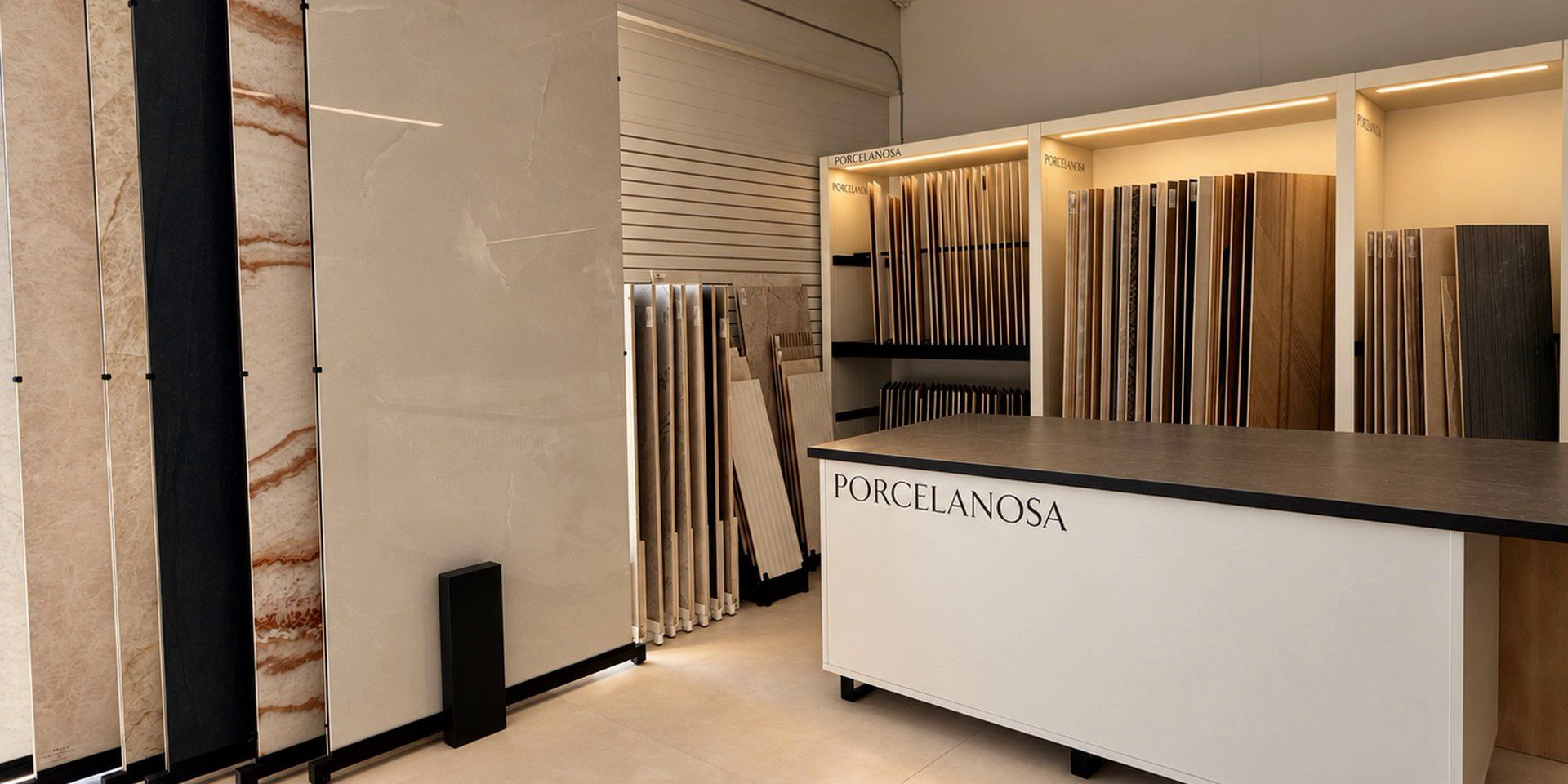
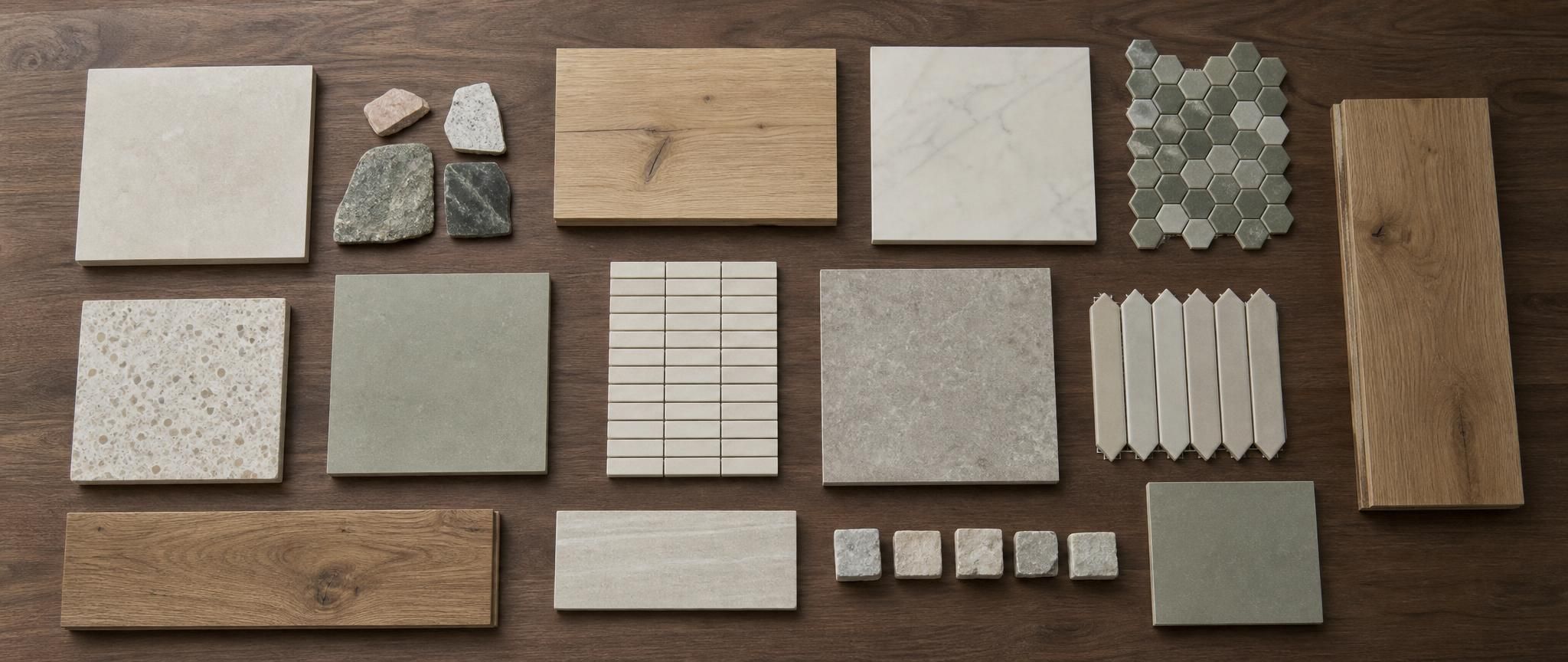
Tile from mosaics to large-format porcelain, natural stone, and wood, luxury vinyl and laminate floors from more than 100 brands, led by Porcelanosa. Come and compare them side by side in the Oracle Flooring & Design showroom in Sarasota.
What do we carry?
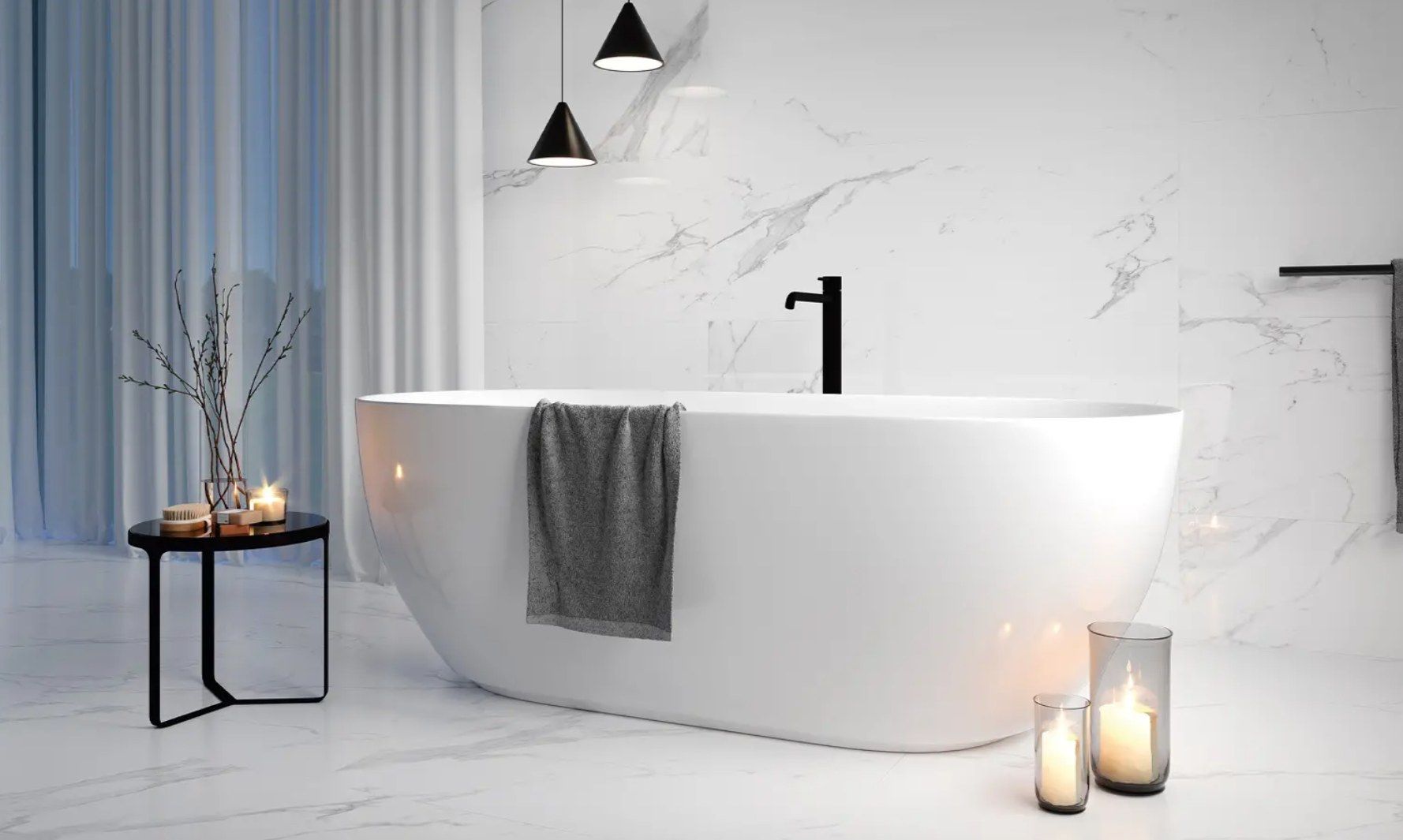
- Large-format porcelainBig tiles and slabs with very few grout lines. Porcelanosa leads.
- Porcelain tileHard, dense tile for floors, walls, showers and patios.
- Ceramic tileWall tile, backsplashes and low-traffic floors, in every color and glaze.
- Mosaic tileGlass, stone, porcelain and shell mosaics for backsplashes, showers and details.
- Natural stoneMarble, travertine and other stone, every piece its own.
- Engineered hardwoodReal wood on top, built to stay stable in a Florida home.
- Luxury vinylPlank and tile floors that take spills, pets and busy days.
- LaminateWood-look floors with a hard top that stands up to scratches and sun.
- Outdoor paversPool decks, patios and walkways.
- MicrocementCimentart microcement: floors, walls, ceilings and covered patios without a single grout line.
- CabinetryCabinets and vanities from budget-friendly to high-end; our own custom shop opens soon.
How do you choose a material?
Four questions narrow it down before you ever pick up a sample.
Where is it going?
Showers, bathroom floors and anything outside need a material that's happy getting wet: porcelain, mosaics, sealed stone or microcement. Dry rooms can have any of them, wood included.
What will it go through?
Sand from the beach, dogs and busy family days call for porcelain or luxury vinyl. A quiet bedroom or living room can have the warmth of engineered hardwood.
How should it feel underfoot?
Tile and stone are hard and cool, a relief in a Florida summer. Wood and luxury vinyl feel warmer and quieter underfoot.
How much care will you give it?
Porcelain and luxury vinyl ask for little more than cleaning. Natural stone gets sealed now and then, and wood can often be refinished once it shows its years.
How do the materials compare?
| Material | Where it works best | Good to know |
|---|---|---|
| Porcelain | Floors, walls, showers; outdoors where its maker allows | Barely takes in water; glazed porcelain never needs sealing |
| Ceramic | Walls, backsplashes, low-traffic floors | Takes in more water than porcelain; easy to cut and shape |
| Natural stone | Floors, walls, feature pieces | Every piece differs; sealed now and then against stains |
| Engineered hardwood | Living rooms, bedrooms, whole floors | Real wood on top; wipe up standing water |
| Luxury vinyl | Kitchens, busy households, whole floors | Takes spills and wear; warmer underfoot than tile |
| Laminate | Living rooms, bedrooms, dry rooms | A hard top that resists scratches; keep water off it |
| Microcement | Seamless floors, walls, ceilings, showers and covered patios | A thin troweled coat with no grout lines |
Every product has its own specifications from its maker; we check them with you for the room you have in mind.
What do the tile and flooring words mean?
The words you'll meet on spec sheets and in the showroom, in plain English.
- Porcelain
- Ceramic tile made dense and hard, so it barely takes in water: the one for floors, showers and outdoors.
- Ceramic tile
- Fired clay tile that takes in more water than porcelain: lighter, easier to cut, and the classic for walls and backsplashes.
- Large format
- Tile longer than about two feet on a side; the biggest pieces are slabs and panels.
- Thin porcelain panel
- A big, thin sheet of porcelain, only a few millimeters thick, for walls, floors and showers with almost no joints.
- Glazed
- Tile with a glass-like coat fired onto its face, which carries the color and the pattern.
- Through-body
- Porcelain whose color runs all the way through the tile, so a chip shows less.
- Rectified
- Tile whose edges are ground straight after firing, so every piece is the same size and it can go down with thin joints.
- Mosaic
- Small pieces of glass, stone, porcelain or shell mounted on sheets, so a whole pattern goes on at once.
- Grout
- What fills the joints between tiles; its color changes the look of the whole surface.
- Lippage
- A step in height between the edges of neighboring tiles: what a flat floor and a careful installer prevent.
- Offset
- How far each row is shifted from the last. Long tiles are usually shifted by about a third, not half, so their edges stay flush.
- Slip rating
- How much grip a tile gives when it's wet. Makers rate their floor tiles for it; for showers, entries and pool decks, ask for one made for wet floors.
- Wear rating
- How much foot traffic a glazed floor tile is made for. A busy kitchen or hallway wants a higher rating than a bathroom wall.
- Shade variation
- How much one tile differs from the next in color and pattern, from nearly uniform to deliberately varied. Makers grade it in their specifications.
- Honed and polished
- Polished stone and tile are ground to a shine; honed ones stop at a smooth matte face, which shows fewer scratches and gives more grip.
- Sealer
- A treatment that helps natural stone and cement grout resist stains; its maker says how often.
- Wear layer
- The top layer that takes the wear: on luxury vinyl a clear film measured in mils (the thicker, the tougher), on engineered hardwood the real wood on top, which decides whether it can be refinished.
- Laminate
- A wood-look floor: a printed layer under a hard, clear top, on a core of wood fiberboard. It stands up to scratches, but water can make it warp.
- SPC and WPC
- The two rigid cores of luxury vinyl: SPC is made with powdered stone, dense and firm; WPC has a lighter, foamed core that is softer and quieter underfoot.
- Acclimation
- Letting a wood floor settle into the home's normal temperature and humidity before it goes down, for as long as its maker says.
- Microcement
- A cement-based coating troweled on in thin layers and sealed, for floors and walls without grout lines.
Want to see them in person?
Compare materials side by side in the showroom, and ask for a free estimate when you're ready.