

Sarasota Natural stone

Marble, travertine, quartzite and other natural stone, with veining no factory can repeat: for floors, walls, showers and fireplaces. See stone tile and stone mosaics in the Oracle Flooring & Design showroom in Sarasota.

Why choose natural stone?

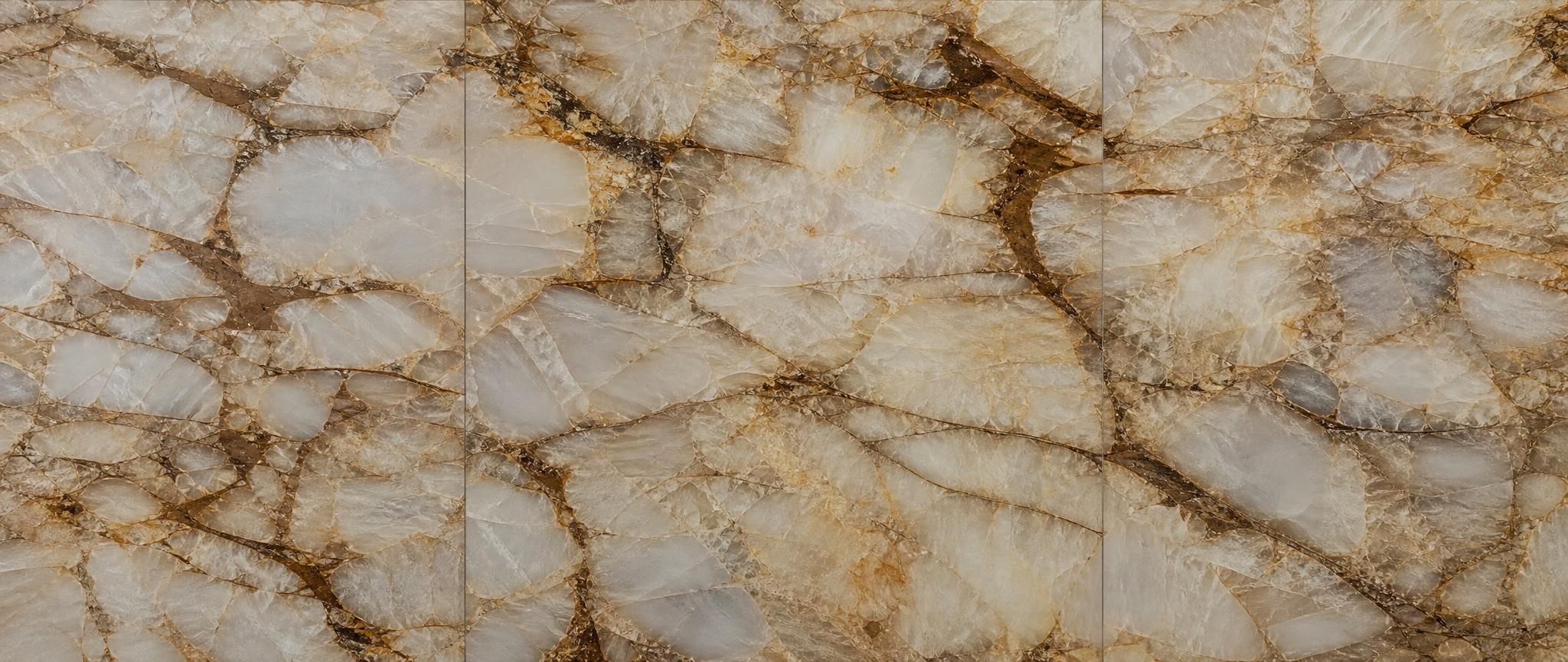
Because no two pieces are alike. Stone comes out of the ground, so the veining, the color and the movement in every tile are its own. Marble is the classic; travertine and limestone bring warmer tones and more texture, and quartzite brings marble looks with more hardness. The finish changes the feel: polished for shine, honed for a soft matte, tumbled for an old-world look.

It does ask for a little care. Most stone is sealed, and the softer stones, marble among them, can etch when an acid touches them. Laid well, it's a floor or a wall you keep for decades.

Choosing natural stone

Where does it work best?

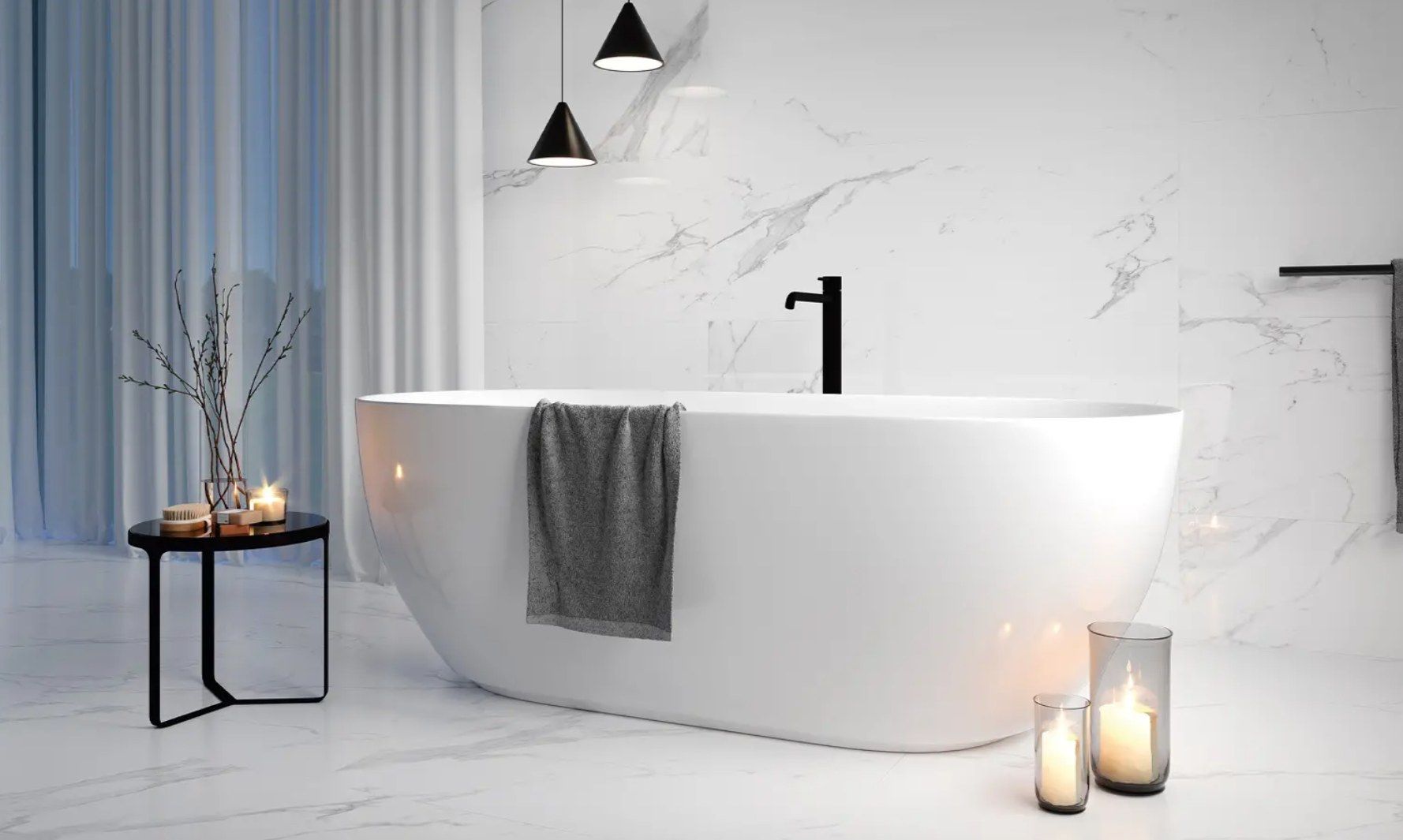
  • Bathroom floors and walls: Honed stone underfoot, polished stone on the walls.
  • Showers: Stone walls and mosaic floors, sealed against stains.
  • Fireplaces: A stone surround is the piece a room is built around.
  • Entries and floors: The first floor your guests see.

Which brands do we carry?

Love the look but not the upkeep? Much of our porcelain looks like marble and stone, and glazed porcelain never needs sealing.
Which stone is which?

  • Marble: limestone that heat and pressure deep in the earth turned to crystal. It polishes to a shine, and its veining has made it a favorite for bathrooms and walls.
  • Travertine: a limestone with natural holes and a warm, earthy color. The holes are filled for a smooth floor or left open for character.
  • Limestone: soft, matte and calm in color.
  • Granite: hard and dense, flecked rather than veined.
  • Slate: splits into thin, textured slabs, often dark.
  • Quartzite: sandstone turned to solid quartz. It's hard, with looks that can rival marble.
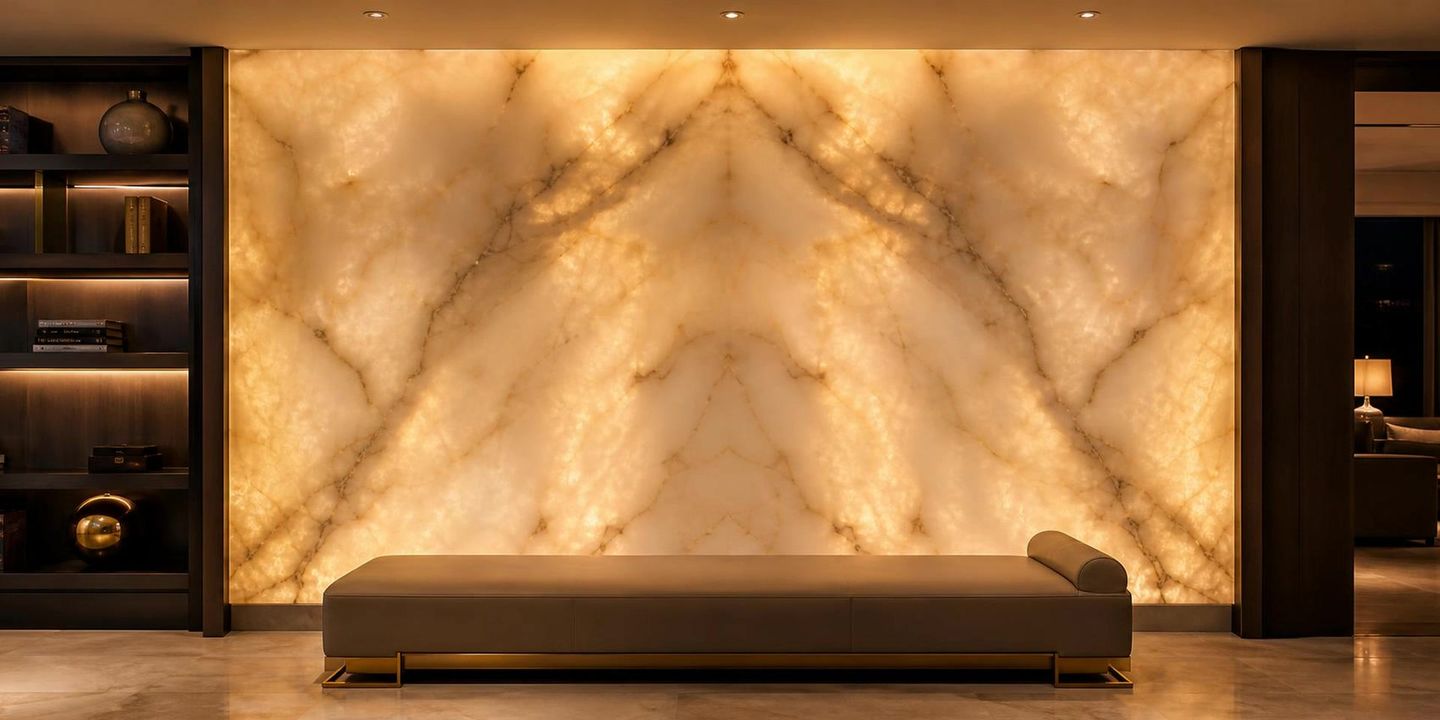
  • Onyx: banded and translucent, it glows when it's lit from behind.

Marble, travertine, limestone and onyx can all etch when an acid touches them. Granite and quartzite don't etch from kitchen acids the same way, though they're still sealed against stains.

Which finish should you choose?

Polished stone shines and reflects the light, the usual pick for a marble wall. Honed stone is smooth with no gloss: it grips better underfoot, and etches and scratches show less. Brushed and leathered finishes add a soft texture you want to run your hand over, with some grip on wet floors and outside.

Travertine has one more choice: filled, with its natural holes packed with a matching grout for a smooth floor, or left open for an older, more rustic look.

How do you look after stone?

  • Dust-mop often, so sand doesn't scratch it, and put mats at the doors.
  • Clean with a stone-safe cleaner and warm water.
  • Keep acids off it: lemon, vinegar and many bathroom cleaners can dull or etch marble, limestone, travertine and onyx. Skip scouring powders too.
  • Blot spills right away instead of wiping them across the stone.
  • Reseal when a spoonful of water left on it for about 15 minutes soaks in or darkens the stone.

Questions we hear

Does natural stone need sealing?

Most does: a sealer helps stone resist stains. How often depends on the stone and the room, and the supplier's care guide says.

How do I know when stone needs sealing?

Leave a spoonful of water on it for about 15 minutes. If the water soaks in or the stone turns darker, it's time to reseal.

Is travertine good around a pool?

It can be. A tumbled or brushed face grips wet feet better than a smooth honed one, and light travertine stays cooler in the sun than dark stone or concrete. Sealed, it handles a saltwater pool too; around a pool it gets resealed every couple of years, more often near the beach.

Is marble a good bathroom floor?

It can be. Choose honed marble, which grips better than polished, and clean it with stone-safe products, because vinegar and many bathroom cleaners can etch it.

Natural stone or stone-look porcelain?

Stone is the real thing, and no two pieces match. Stone-look porcelain is denser and more even from piece to piece, and glazed porcelain never needs sealing. Both are in the showroom to compare.

What is the difference between etching and staining?

An etch is a dull spot where an acid, like lemon juice or vinegar, has eaten into marble, limestone, travertine or onyx. A stain is something the stone has soaked up. A sealer helps against stains, but it won't stop etching.

Can you see it in person?

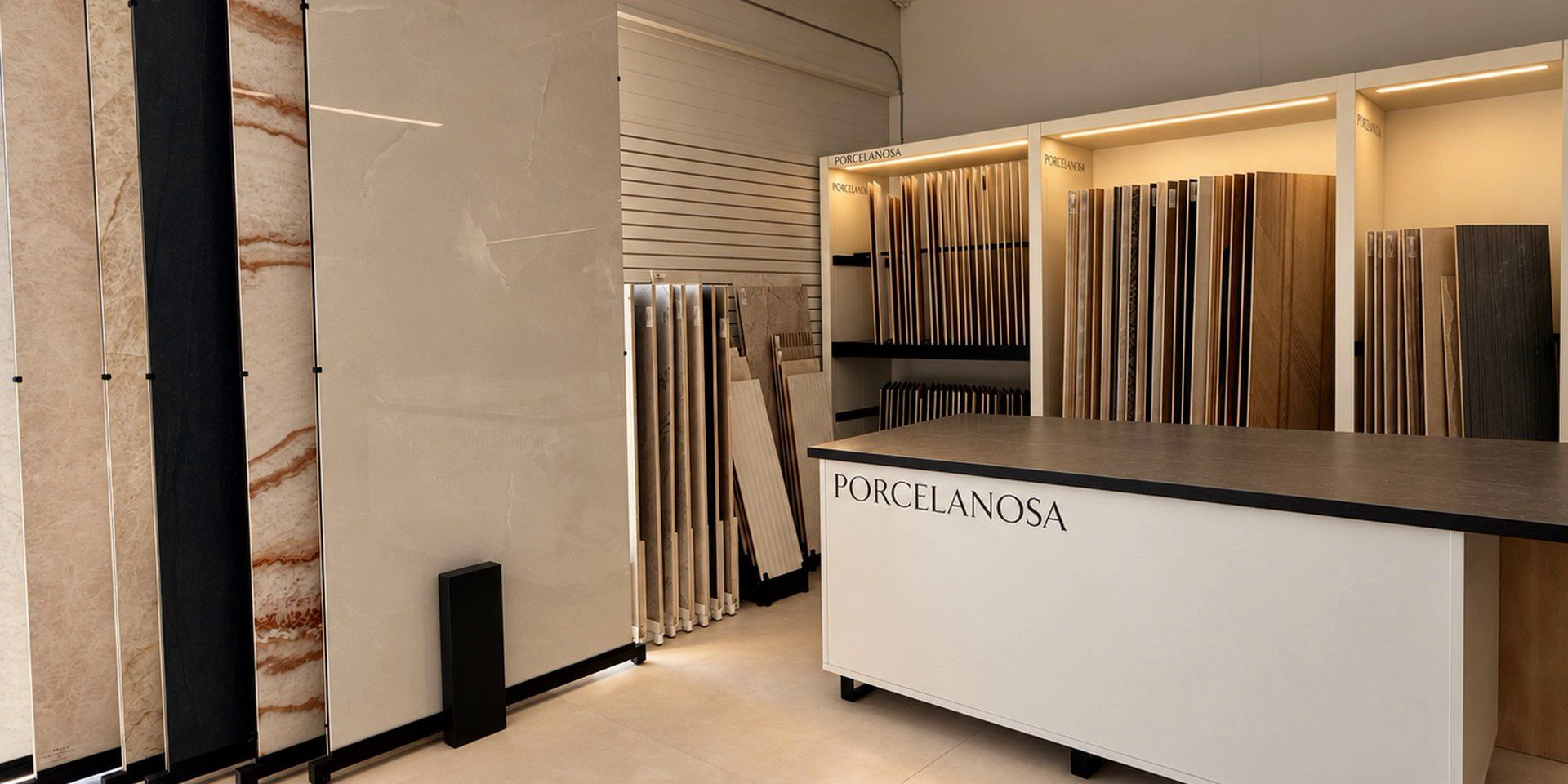
Yes: compare it with the other materials in our Sarasota showroom, and ask for a free estimate in your home.