Sarasota Porcelain tile

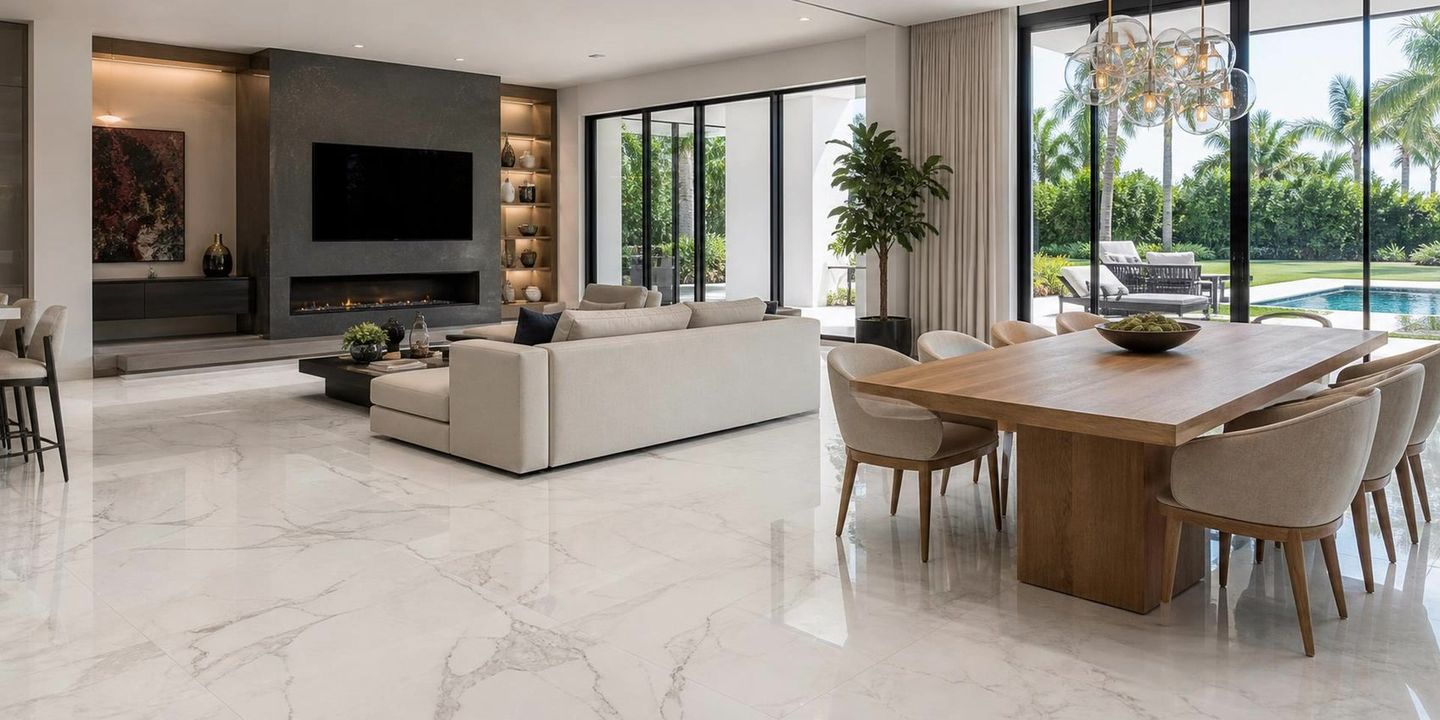
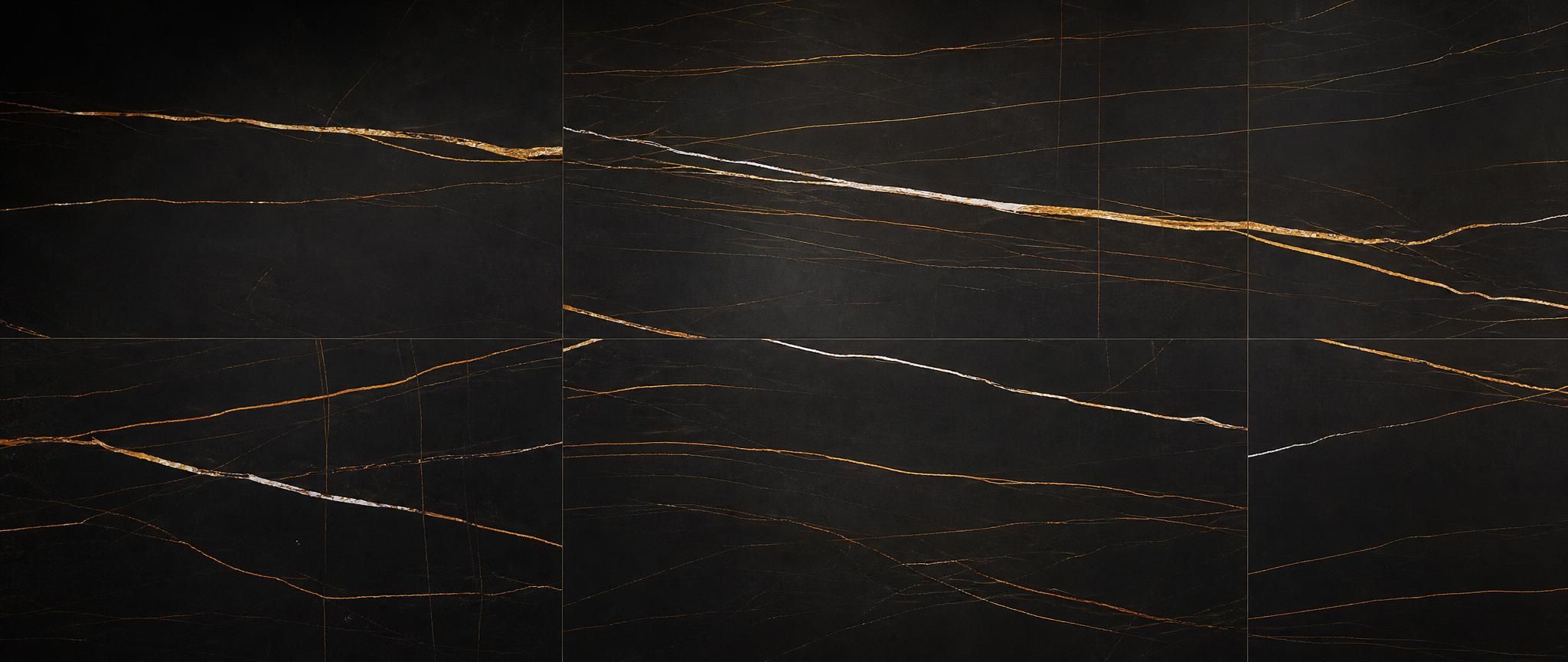
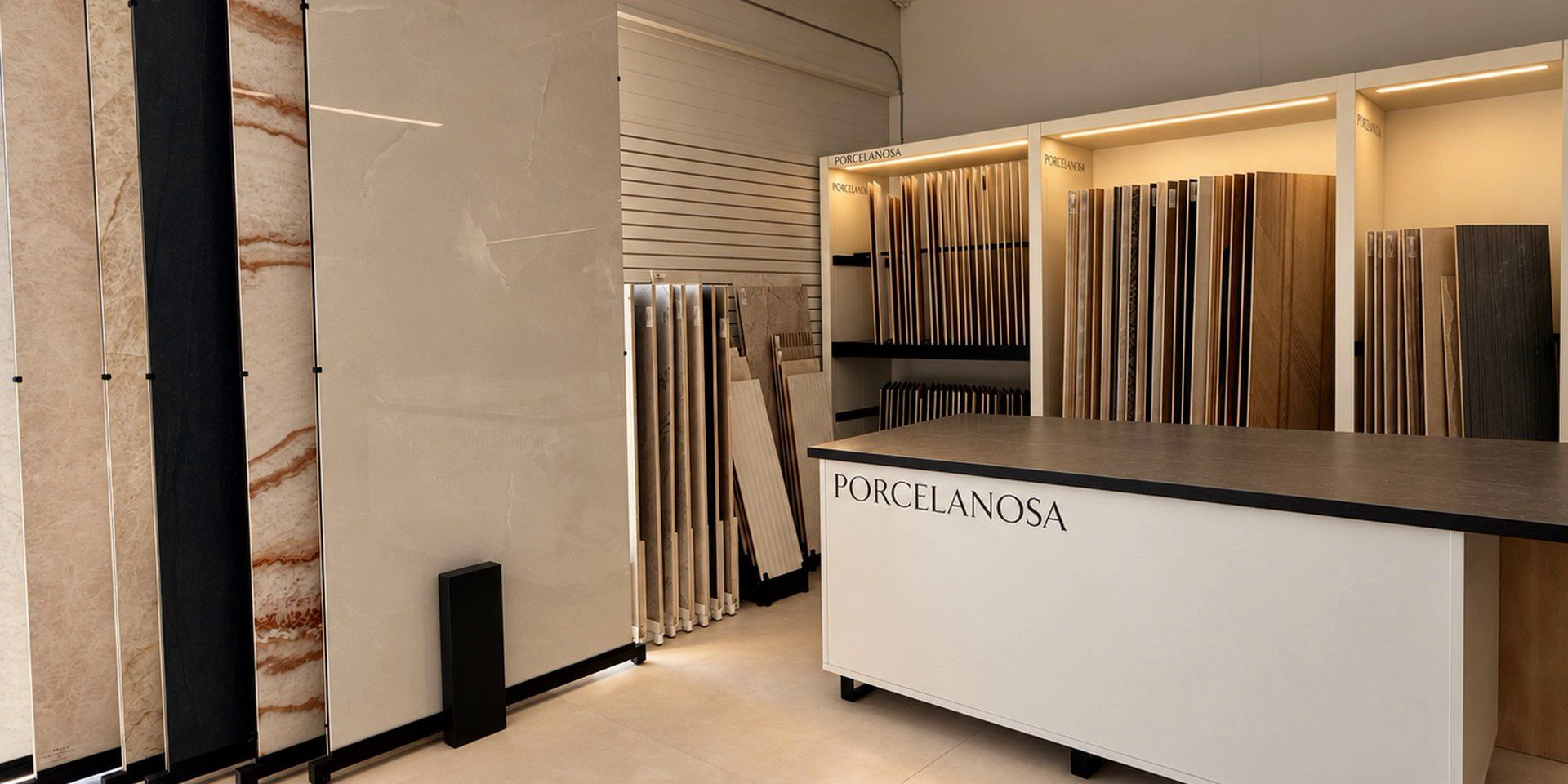
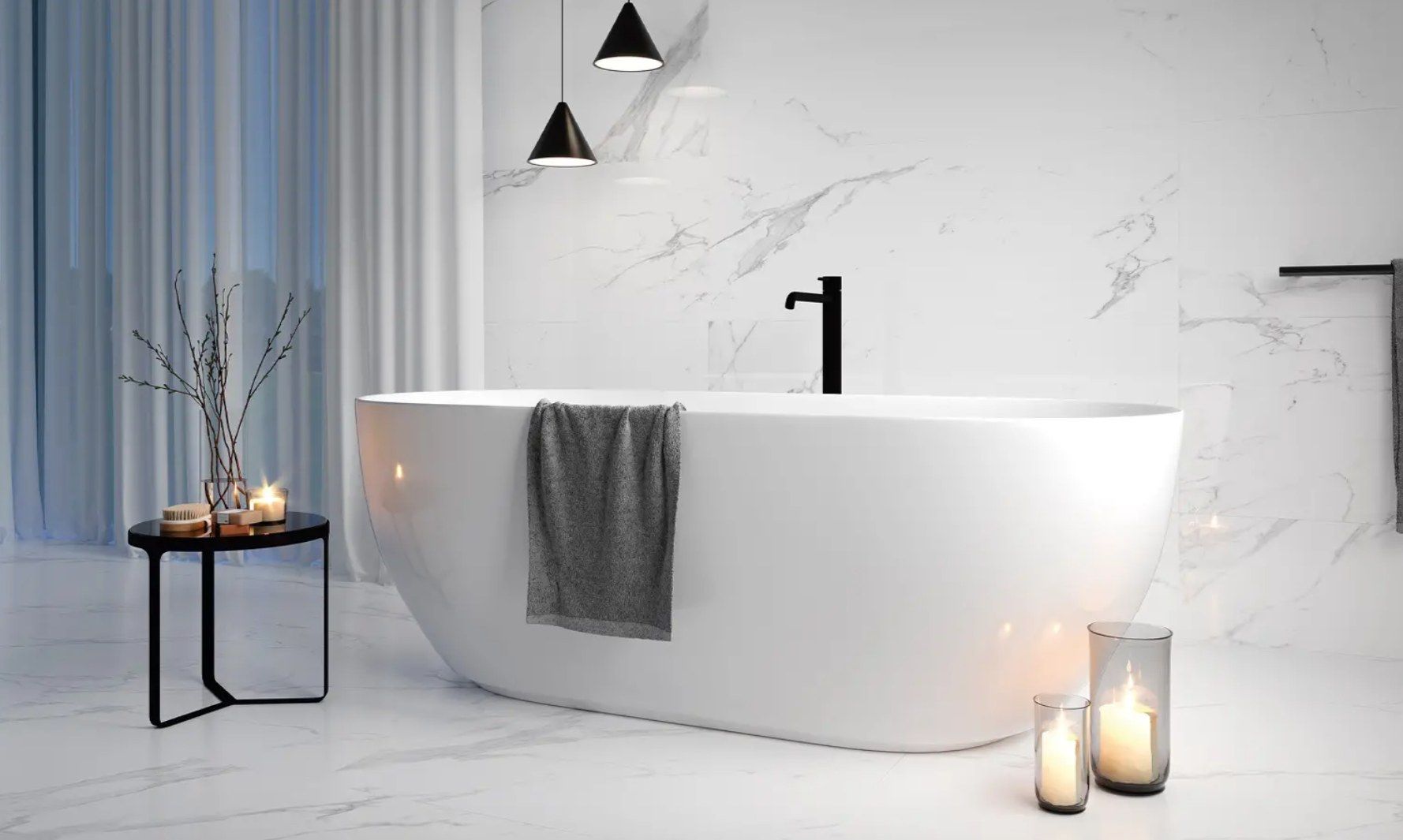
Porcelain is hard, dense tile that barely takes in water, so it handles floors, showers and patios, and it can pass for marble, stone, concrete or wood. We carry it from Porcelanosa and more than a dozen other makers in the 6,000 sq ft Oracle Flooring & Design showroom in Sarasota.

What makes porcelain different?

Porcelain is ceramic tile made dense and hard, so it barely takes in water. That is why it holds up on busy floors, in showers and outside, where softer tile can stain, crack or wear.

Most porcelain is glazed: the color and the pattern sit in a glaze on top, which is how it can take on almost any look. Through-body porcelain carries its color all the way through, so a chip is harder to spot. It comes in everything from small tiles to slabs as big as a wall; for the biggest pieces, see large-format porcelain.

Choosing porcelain tile

Where does it work best?

  • Floors: Living areas, hallways and whole homes: sand, pets and traffic don't bother it.
  • Bathrooms and showers: Floors and walls that get wet every day.
  • Kitchens: Floors and backsplashes that wipe clean after dinner.
  • Outdoors: Patios, lanais and pool decks, in tile made for outdoor use.

How is porcelain tile installed?

On a flat, solid base, with mortar spread under the whole tile so there are no hollow spots to crack later. The grout joints are sized for the tile, and the floor gets room to move where it meets the walls and across big rooms, because a floor in a sunny room warms up and cools down every day. Certified installers who work with us regularly install porcelain, and delivery is included when we install.

How do you choose porcelain tile?

Start with the finish, because it decides how the floor feels and how it behaves when it's wet. Polished porcelain shines and bounces light around a room, but it gets slick with water on it, so it belongs on walls and dry floors. Matte suits most floors, and a textured face is the one to choose for showers, lanais and pool decks.

Then the size. Big tiles mean fewer grout lines and a calmer floor, but they need a flatter base. Smaller tiles suit small rooms, and floors that slope to a drain.

Look at the edges too. Rectified tile has its edges ground straight, so it can go down with thin grout lines; tile with softer edges looks better with slightly wider ones.

Last, look at several pieces together. Some lines are nearly identical from tile to tile, others vary on purpose, like real stone, and one sample won't tell you which you're getting. For a floor that gets wet, ask us which tiles their makers rate for grip; for a busy kitchen or hallway, which glazes are made for heavy traffic.


Why does porcelain suit a Florida home?

It goes straight onto the concrete slab most Florida homes sit on, it stays cool underfoot in August, and humidity, beach sand and dogs don't trouble it. You can run one look from the kitchen out to the lanai, too: many lines come as an indoor tile and an outdoor version with a textured face for wet feet.

How do you look after porcelain?

Sweep or vacuum up the sand, then damp-mop with a mild cleaner made for tile. Skip oil soaps and waxes: they leave a film that dulls the surface and holds on to dirt. Glazed porcelain never needs sealing. The grout between the tiles can be sealed so it resists stains, and some polished and unglazed porcelain takes a sealer too, which its maker's care guide will tell you.

Questions we hear

Is porcelain better than ceramic?

For floors, showers and anything outside, usually yes: porcelain is harder and barely takes in water. Ceramic is lovely on walls and backsplashes, and it is easier to cut into shapes.

Does porcelain tile need sealing?

Glazed porcelain doesn't. Some polished and unglazed porcelain does, and the grout often benefits from a sealer; the maker's care guide tells you.

Can porcelain look like wood?

Yes, and closely. Wood-look porcelain comes in long planks with grain that changes from piece to piece, and sandy feet and wet paws don’t bother it. See it next to real wood in the showroom.

Can porcelain tile go outside?

Yes, if that tile is made for outdoor use. Around a pool, pick one with a textured face for wet feet; we'll show you which ones are.

What does rectified mean?

The edges are ground straight after the tile is fired, so every piece comes out the same size. That lets it go down with thin grout lines.

Will porcelain tile crack?

Not on a well-laid floor. Porcelain is hard, and what cracks it usually sits underneath: hollow spots where the mortar didn't reach, or a floor that moves. Full mortar under every tile and room for the floor to move prevent most of it, and felt pads under heavy furniture help. A heavy pan dropped on a corner can still chip a tile, which is one reason to keep a few spares from the same lot.

Can you see it in person?

Yes: compare it with the other materials in our Sarasota showroom, and ask for a free estimate in your home.