Sarasota Luxury vinyl and laminate

Luxury vinyl plank and tile give you the look of wood or stone on a floor that takes spills, dogs and sandy feet, and laminate brings the look of wood with a hard, scratch-resistant top. Compare both in the Oracle Flooring & Design showroom in Sarasota.

What is luxury vinyl?

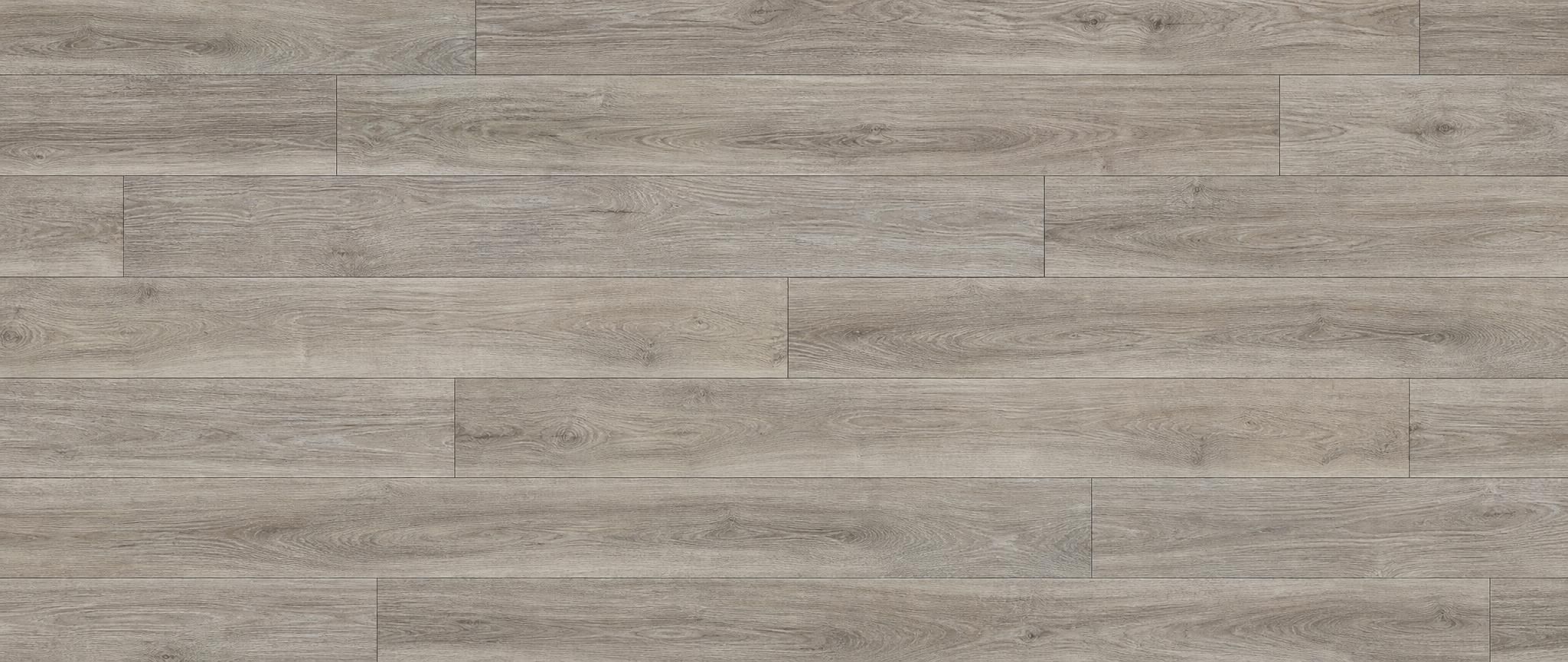
Luxury vinyl is a floor made in layers: a clear wear layer on top, a printed layer underneath that gives it the look of wood or stone, and a core below that. Rigid-core planks, sold as SPC or WPC, stay flat and stable, and most click together without glue.

The wear layer decides how it stands up to scratches and traffic, so it's worth comparing. Plank looks like wood, tile looks like stone or concrete, and both come in plenty of sizes and finishes. Luxury vinyl also comes in Our Collection, our curated range, coming by early 2027.

What is laminate?

Laminate is a wood-look floor built in layers too: a hard, clear top layer, a printed picture of wood under it, and a core of fiberboard, wood fibers pressed together with resins. Like rigid-core vinyl, it clicks together and floats over the floor without glue.

Its top layer stands up well to scratches and stains, and it holds its color in the sun better than wood. Its box shows how much wear it's made for, rated AC1 to AC5: AC3 suits every room in a home, and AC4 and AC5 are made for shops and offices.


Choosing luxury vinyl

Where does it work best?

  • Kitchens: Spills and dropped dishes come with the job.
  • Family rooms: Kids, pets and sand from the beach.
  • Whole homes: One floor through every room, wet areas included where the maker allows.
  • Condos: With the underlayment your building asks for.

How do you choose luxury vinyl?

Look at the wear layer first. It's the clear top coat, measured in mils, thousandths of an inch: around 12 to 20 is what most homes want, and 20 and up takes the heaviest traffic.

Then the core. Rigid-core planks click together and float over the floor. SPC, made with powdered stone, is dense and firm; WPC has a lighter, foamed core that's a little softer and quieter underfoot. Flexible vinyl follows the floor beneath it more closely, so it needs a smoother base.

Some planks come with a pad already attached. In a condo, check that the plank and its underlayment meet the association's sound rules before you fall for one.

How do you look after it?

Sweep or vacuum the sand, damp-mop with the cleaner its maker recommends, and wipe up spills. Skip harsh chemicals, and go easy on vinegar, which can dull the finish over time. Felt pads under the furniture and mats at the doors keep sand and chair legs from scratching the wear layer.

How does it do in a Florida home?

Very well, if you plan for three things. Water first: "waterproof" means the plank itself holds up to water, but water that gets underneath, from a leak or a storm, still has to be dried out, and warranties cover the plank, not the floor below it.

Then the sun. Strong afternoon sun through sliders and big windows can fade vinyl and make it expand, so makers ask for blinds or UV film on the sunniest windows, and the house kept within a set temperature range, even while you're away.

And room to move: a floating floor needs a small gap at the walls, hidden under the baseboard, so it can expand and contract. In a condo, add the association's sound rules to the list.

Can luxury vinyl go in a bathroom?

Yes, outside the shower. The planks themselves don't mind water; where it can get underneath is the seams, so in a bathroom they need a tight, careful installation, and the shower itself stays tile.

Laminate or luxury vinyl?

Water decides it first. Luxury vinyl has no wood in it, so it takes spills, wet feet and a bathroom floor. Laminate's core is wood fiber: water left standing on it, or soaking into the seams, can make it warp, so most of it stays out of bathrooms and laundry rooms.

Laminate's strengths are its top layer, which stands up to scratches, stains and sun, a convincing wood look, and a price that is often lower than luxury vinyl's. It can't be sanded and refinished like wood, so a damaged board is replaced. Compare the two side by side in our showroom.

Questions we hear

Is luxury vinyl waterproof?

The planks are, in many lines: the core won't swell when it gets wet. Water that gets underneath, from a leak for example, still has to be dried out, and the maker's terms say what's covered.

Luxury vinyl or engineered hardwood?

Luxury vinyl handles water and wear better and needs very little care. Engineered hardwood is real wood, and many boards can be refinished. Both are in the showroom to compare.

Can luxury vinyl go in a condo?

Usually, with the sound underlayment your building requires. Check the association's rules before you order; we're happy to go through them with you.

Can luxury vinyl go over tile?

Often, if the tile is sound and flat. Rigid-core planks ride over small dips better than flexible vinyl, and the maker's instructions say what the old floor must be like. We check it at the free estimate.

Does luxury vinyl fade in the sun?

It can. Strong sun through a slider can fade it and make it expand, so blinds or UV film on the sunniest windows help, and moving rugs and furniture now and then keeps the color even.

Is luxury vinyl good with dogs?

It's one of the easiest floors for them. Good luxury vinyl stands up to claws and takes water and accidents in its stride. For a busy dog, pick one with a thicker wear layer, the clear top coat that takes the scratches.

Can laminate go in a bathroom?

Most laminate can't: its core is wood fiber, and water that soaks in can make it warp, so its makers keep it out of bathrooms and laundry rooms. Some newer laminates are made to resist water, and their instructions say which rooms they can go in.

Can laminate be refinished?

No. Its look is a printed layer under the clear top, so it can't be sanded like wood. A worn or damaged board is replaced instead.

Can you see it in person?

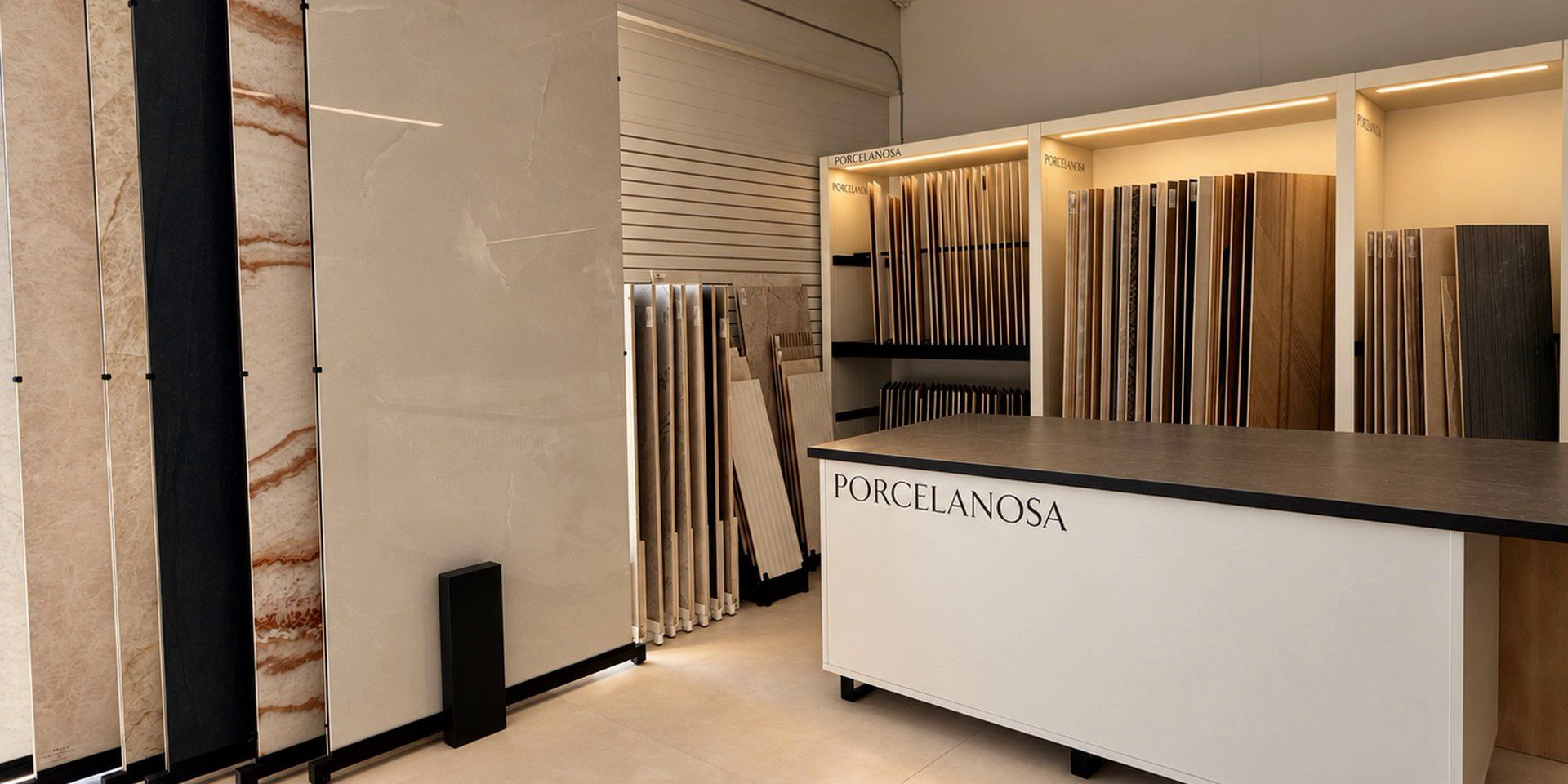
Yes: compare it with the other materials in our Sarasota showroom, and ask for a free estimate in your home.