How do you choose engineered hardwood?
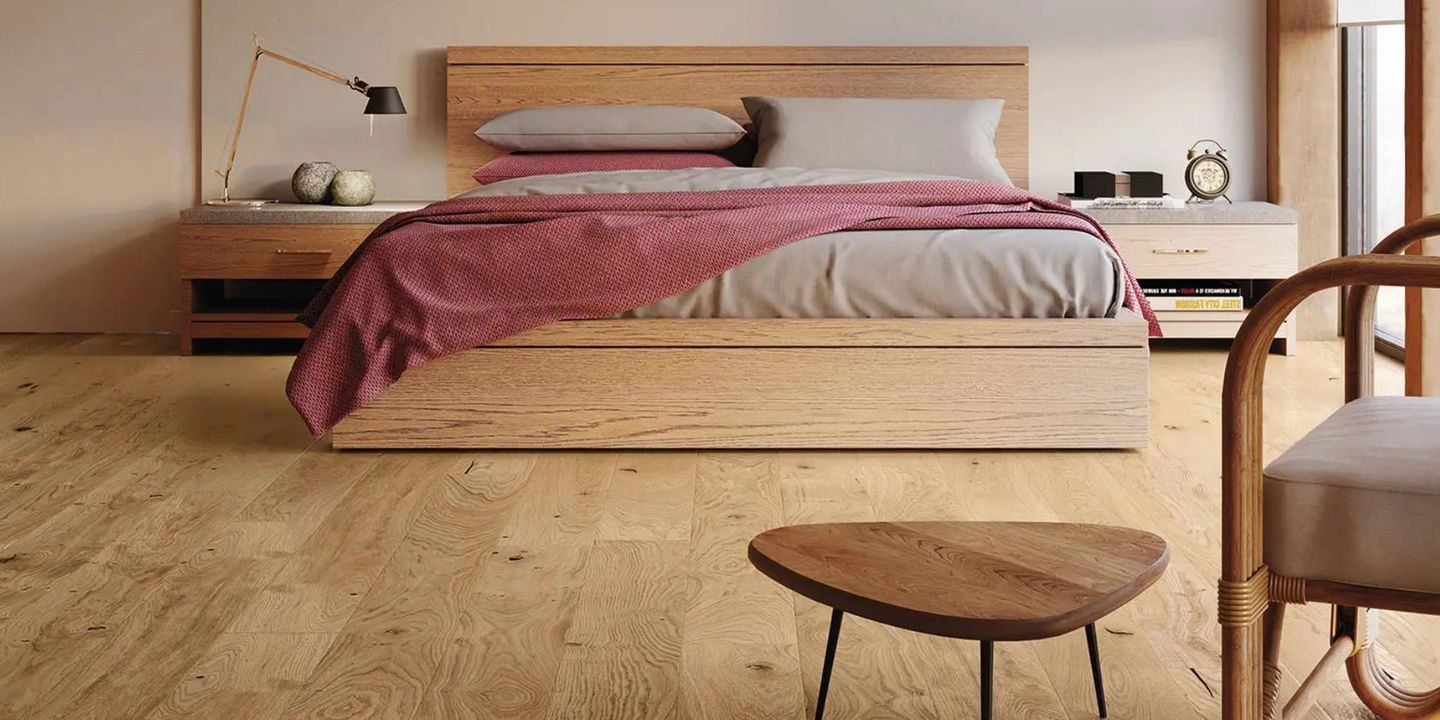
Start with the species and the color. Oak, hickory and maple are the classics: oak has the open grain most people picture, maple is smoother and paler, and hickory is the hardest and the most varied of the three.
Then look at the top layer of real wood, because it decides the floor's future. A thick one can be sanded and refinished once the floor shows its years; a thin one gets a fresh coat of finish instead. Ask for the number when you compare boards.
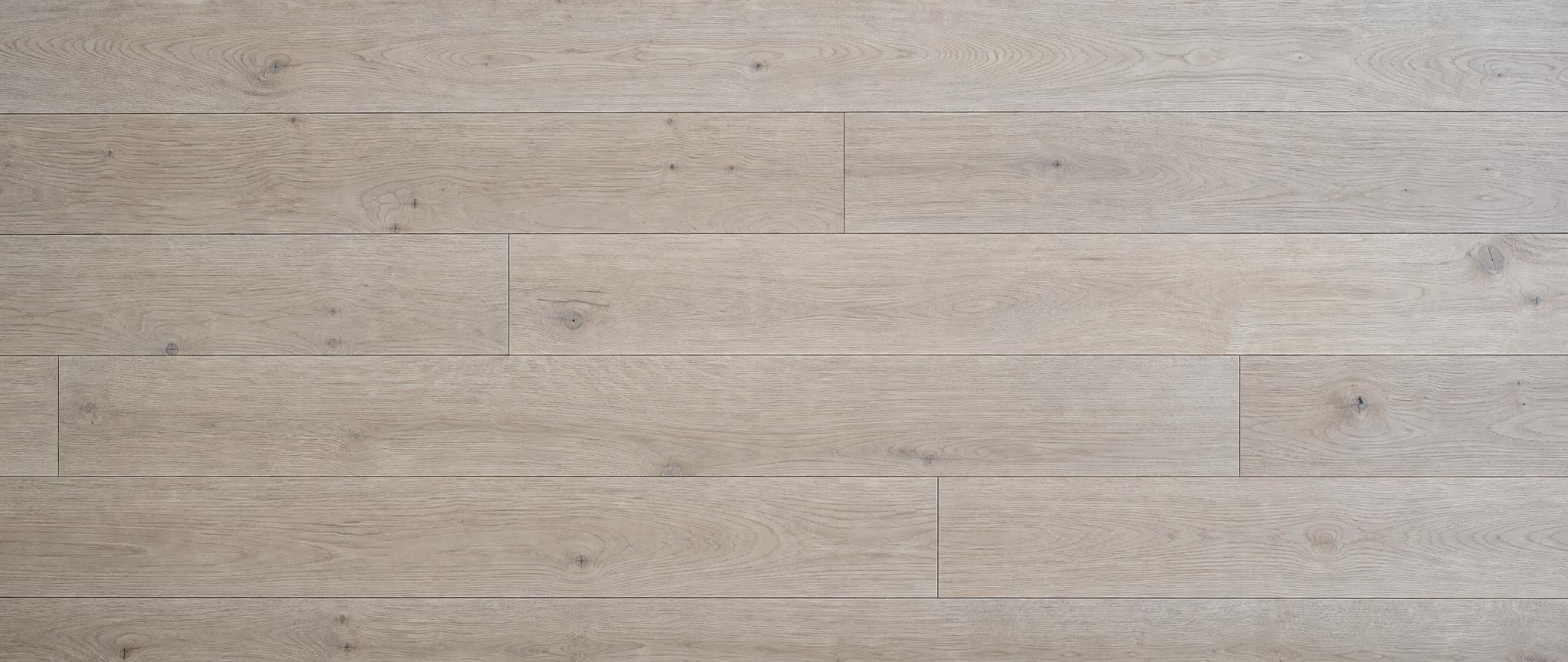
Wide, long boards show off the grain and suit big, open rooms; narrower ones suit smaller rooms and more traditional homes. A factory finish comes ready to live on the day the floor goes down, and an oil finish soaks into the wood for a softer, low-sheen look.
Over a concrete slab, engineered wood is glued down or floated. Nails and staples need a wood subfloor, which most Florida homes don't have.
How does it do in a Florida home?
Well, with a little care. Wood takes on moisture from the air, so the house matters as much as the floor: keep the air conditioning running, even while you're away for the summer, and keep the humidity steady, within the range the floor's maker gives.
Before wood goes onto a slab, the slab is tested for moisture against the maker's limits, and the air conditioning should run for at least five days before the boards arrive, so the wood settles in at the humidity it will live in.
How do you look after it?
Dust-mop or vacuum up the sand, wipe up spills and standing water quickly, and clean with the product the floor's maker recommends. Felt pads under the furniture and mats at the doors keep grit from scratching it.