Sarasota Outdoor pavers

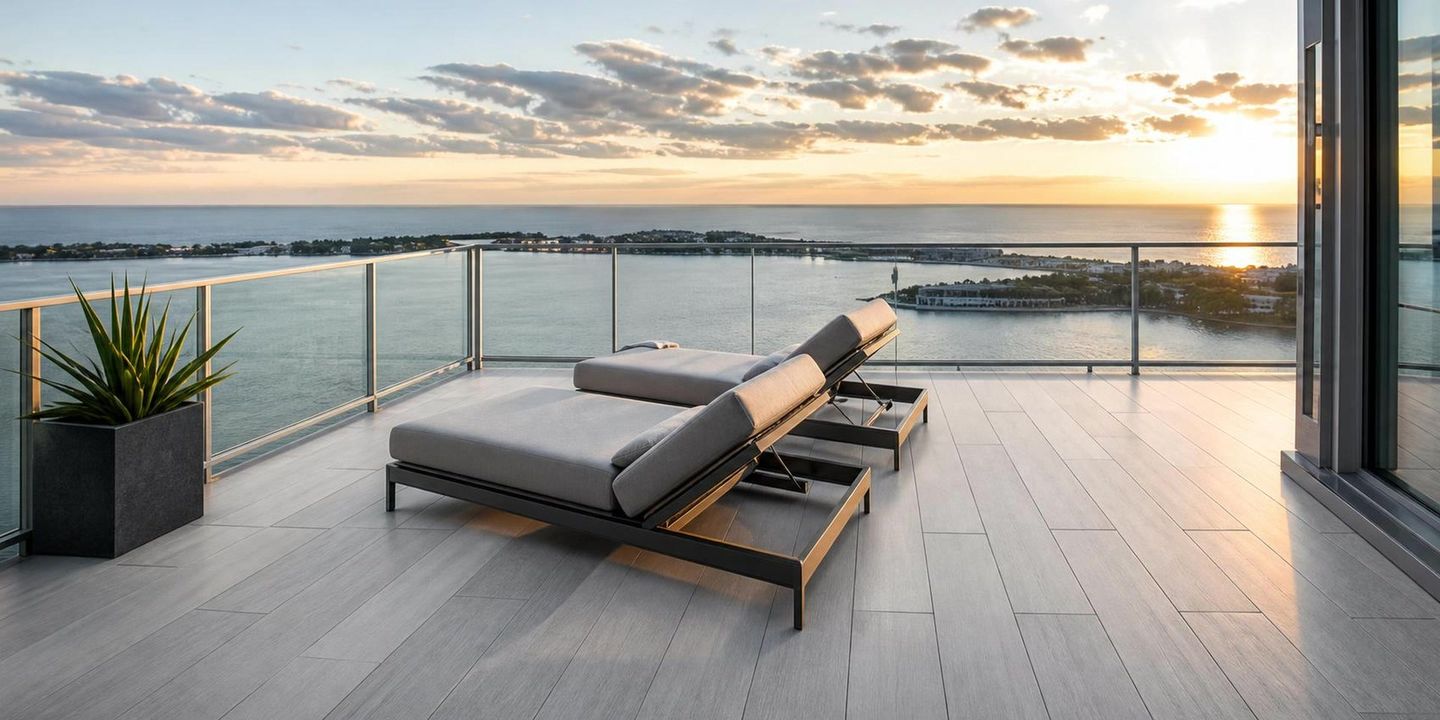
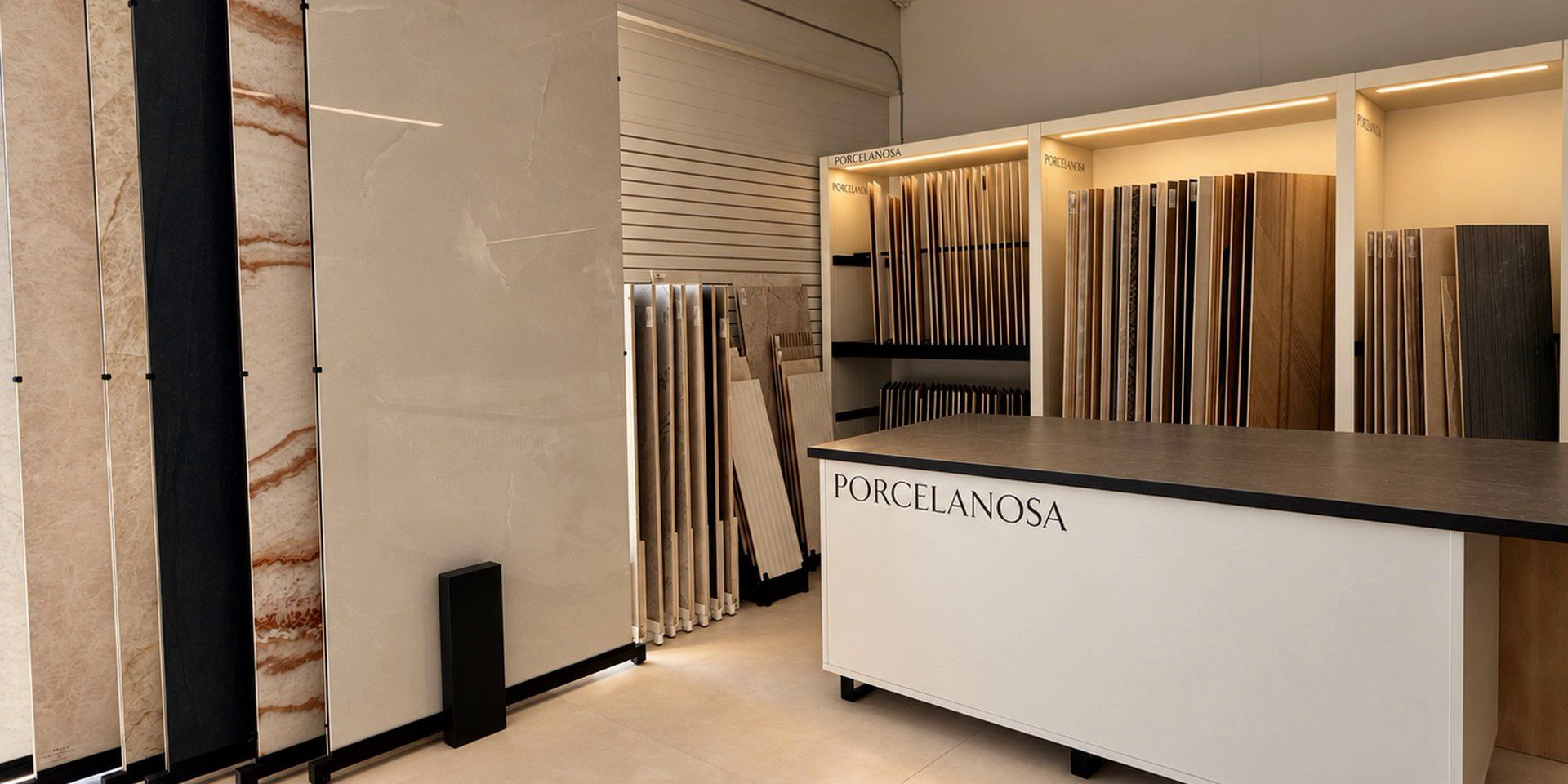
Pavers for pool decks, patios, lanais and walkways, in stone, wood and concrete looks made for Florida sun and rain. More than 100 are laid out in front of the Oracle Flooring & Design showroom in Sarasota, so you can walk on them before you choose, and we install them.

What are outdoor pavers?

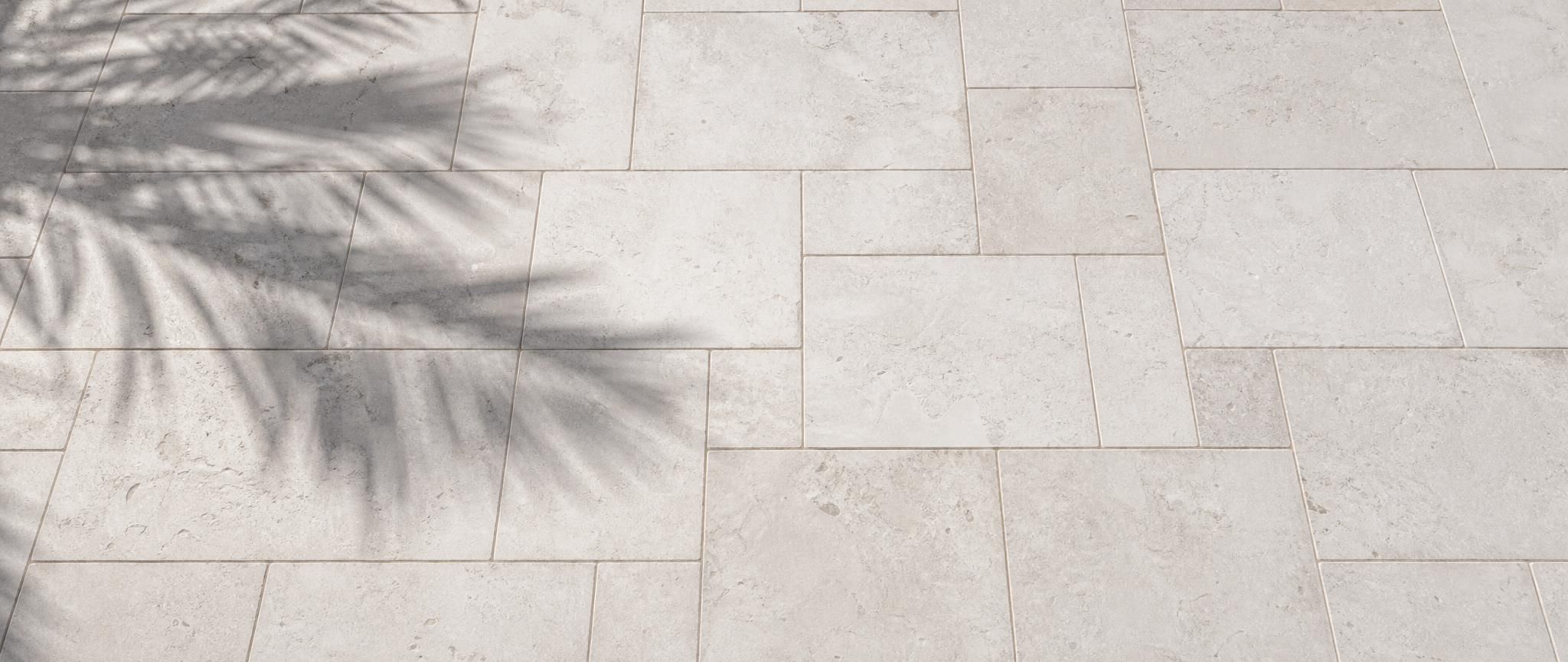
Pavers are thick, tough tiles made for the ground outside. Porcelain pavers are twice as thick as indoor tile and just as dense, so sun, rain and pool water don't bother them, and they come in stone, wood and concrete looks that can match the floor inside.

That extra thickness lets them sit on sand, gravel or pedestals as well as in mortar. In Florida, plan for the sun as well: lighter colors stay cooler underfoot. More than 100 pavers are laid out in front of our showroom, so you can see them in daylight and walk on them before you choose.

Choosing outdoor pavers

Where does it work best?

  • Pool decks: Textured faces made for wet feet.
  • Patios and lanais: Outdoor rooms that match the floor inside.
  • Walkways: From the driveway to the front door.
  • Inside to out: The same look on both sides of the slider, in a tile made for each side.

How do you look after pavers?

Sweep them, rinse them, and top up the sand in the joints when rain washes it out; a pressure washer can blast that sand out too, so keep it gentle. If a white powder shows up on stone, brush it off dry: it's mineral salt rising from below, and water only brings more of it up.

Which kind of paver?

  • Porcelain pavers: about three quarters of an inch thick and dense like porcelain tile, in stone, wood and concrete looks.
  • Travertine and other stone: natural stone, every piece its own, sealed against stains.
  • Concrete pavers: they lock together on a bed of sand, held in at the edges, in many shapes and colors.
  • Clay brick pavers: brick made to be walked on, with the classic look.

Which brands do we carry?

How are pavers laid?

It depends on what's there now. Concrete pavers go on about an inch of sand over a compacted base, with an edge to hold them in. Porcelain pavers can go down the same way, or straight onto gravel or sand, or even into a lawn as a path of stepping stones.

On an existing concrete patio, porcelain pavers can be set in mortar like tile, or raised on adjustable pedestals so the water drains away underneath. There's no single rule book for porcelain pavers yet, so each maker's instructions decide how its pavers go down, and the certified installers who work with us regularly follow them.

What about Florida sun, rain and pools?

The sun first. Color matters more than the material: dark pavers soak up most of the sunlight that hits them, and on a summer afternoon a light paver stays far cooler than a dark one. If you walk barefoot to the pool, go light.

Rain is the easy part: permeable pavers let it soak through to the gravel and soil below instead of running off across the yard.

Pools are hard on any surface. Stone around a pool is cleaned and resealed every few years, and around a salt-water pool a regular rinse with fresh water keeps salt from building up in it. For grip, each maker says which of its pavers suit wet, barefoot areas, and we check that with you.


Questions we hear

Do pavers get hot by the pool?

Light colors stay much cooler underfoot than dark ones in full sun, which matters on a pool deck. Walk on a few in front of our showroom on a sunny afternoon and you'll feel the difference.

Are pavers slippery when wet?

Most outdoor pavers have a textured face for grip. For a pool deck, we point you to the ones their makers rate for wet, barefoot areas.

Do you install pavers?

Yes. We sell and install them, on a compacted base, on pedestals or set in mortar on a concrete slab, depending on the site. Estimates at your home are free.

Can pavers go over my old concrete patio?

Often, yes. Porcelain pavers can be set in mortar on a sound slab, like tile, or raised on pedestals above it, depending on the height and the drainage. We look at it at the free estimate.

Do pavers need sealing?

Porcelain pavers don't. Travertine and other stone are sealed, and around a pool they're cleaned and resealed every few years; concrete pavers can be sealed too.

Can pavers go on grass or gravel?

Yes, for paths and patios you walk on. Porcelain pavers can sit on a compacted bed of gravel and sand, or go into the lawn as stepping stones with the grass growing between them, with no mortar at all. Anything a car drives over needs a different base, so ask us first.

Can you see it in person?

Yes: compare it with the other materials in our Sarasota showroom, and ask for a free estimate in your home.