Sarasota Floor tile and flooring

Floors take more wear than anything else in a home. Compare tile, stone, wood and luxury vinyl for every room in the Oracle Flooring & Design showroom in Sarasota, then have it installed by certified installers who work with us regularly.

What should you plan for in a floor?

Start underneath. Most Florida homes sit on a concrete slab, which suits tile, stone and most engineered wood and vinyl floors. Big tiles need that slab flat, because they show every dip, so we check it before anything is ordered. Wood and vinyl need it dry: a slab always holds some moisture, and the installer tests it first.

Then think about flow. One floor through the living areas makes a home feel bigger, and the change at a bathroom or the lanai is where a different material makes sense.

More in our blog: choosing tile for a Florida home.

Choosing your floor

Which floor for which room?

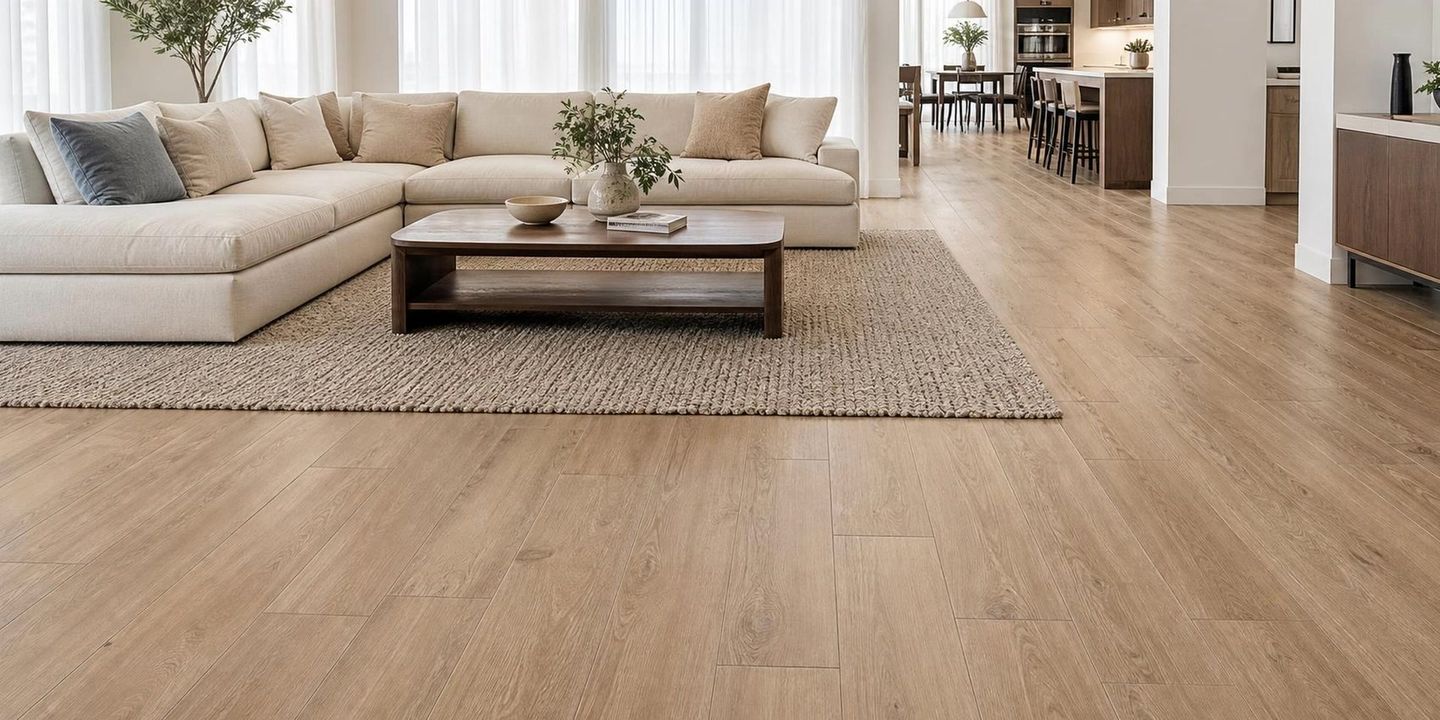
How are wood-look plank tiles laid?

Usually with each row shifted by a third of a tile or less, not by half like bricks. Long tiles can have a very slight bow along their length, and a half offset puts the high middle of one tile right next to the low ends of the next, which leaves edges you can feel. A shorter offset keeps them flush. Ask to see the layout before the floor goes down.

How do the floors meet at the doors?

Every change of material is a joint to plan. Floors of different thickness need a transition piece, and some floating floors need a small gap at doorways so they can move. Running one floor through the living areas avoids most of them; where the floor does change, at a bathroom or the slider to the lanai, the threshold is the place where it looks deliberate.

Tile, wood or luxury vinyl?

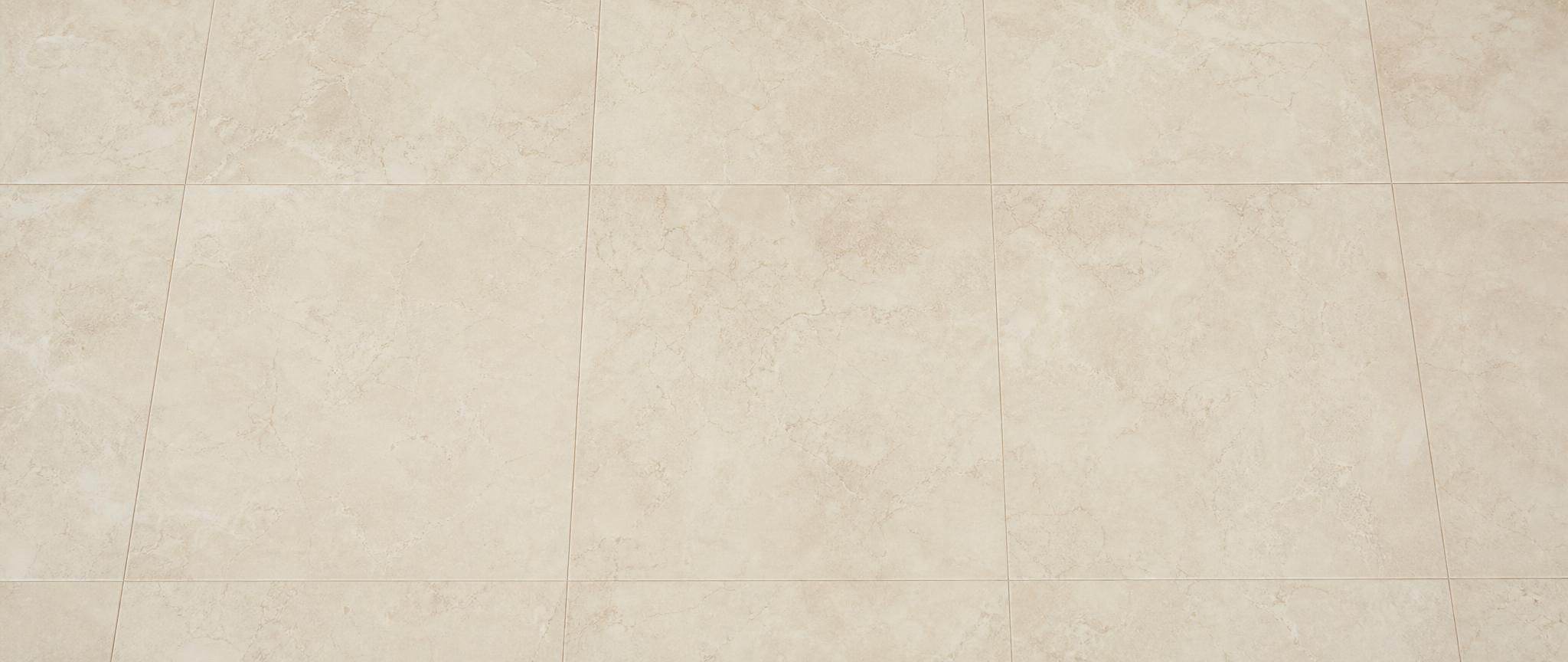
Porcelain tile is dense and tough. Water, sand and pets don't bother it, it stays cool underfoot in summer, and it comes in wood, stone and concrete looks.

Engineered hardwood is real wood, warmer and quieter to walk on, and built in layers so it stays steadier in humid air than solid boards. Luxury vinyl is the easy-going one: softer and quieter than tile, and many boards handle spills. Both come in our Signature Collection, our curated range.

Natural stone is one of a kind, and asks for sealing and gentle cleaners.

How does a new floor go in?

  1. The old floor comes out. We take up the old floor or tile and haul the debris away.
  2. The base gets checked. Flat for tile, dry for wood and vinyl, as each maker's instructions ask.
  3. The new floor goes down. Certified installers who work with us regularly install it, with the materials delivered to your home.
  4. Grout, trim and cleanup. The joints are filled, the edges finished and the rooms left clean.

Questions we hear

What is the most durable floor?

For most homes, porcelain tile: it barely takes in water and stands up to years of wear. Among the softer floors, luxury vinyl is the tough one.

Can new floor go over my old floor?

Sometimes. It depends on what's down now and how flat and solid it is, so we check it at the free estimate.

Big tiles or small?

Big tiles mean fewer grout lines and a calmer look, but they need a flatter floor. Small tiles suit small rooms and slopes, like a shower floor.

Do you take out the old floor?

Yes. We take out the old floor or tile and haul the debris away, from a single room to a whole home, and delivery of the new floor is included when we install it.

How much extra should I order?

Always some, for cuts, breakage and future repairs, all from the same production lot. How much depends on the room's shape and the layout, so your estimate includes it.

Ready to plan it?

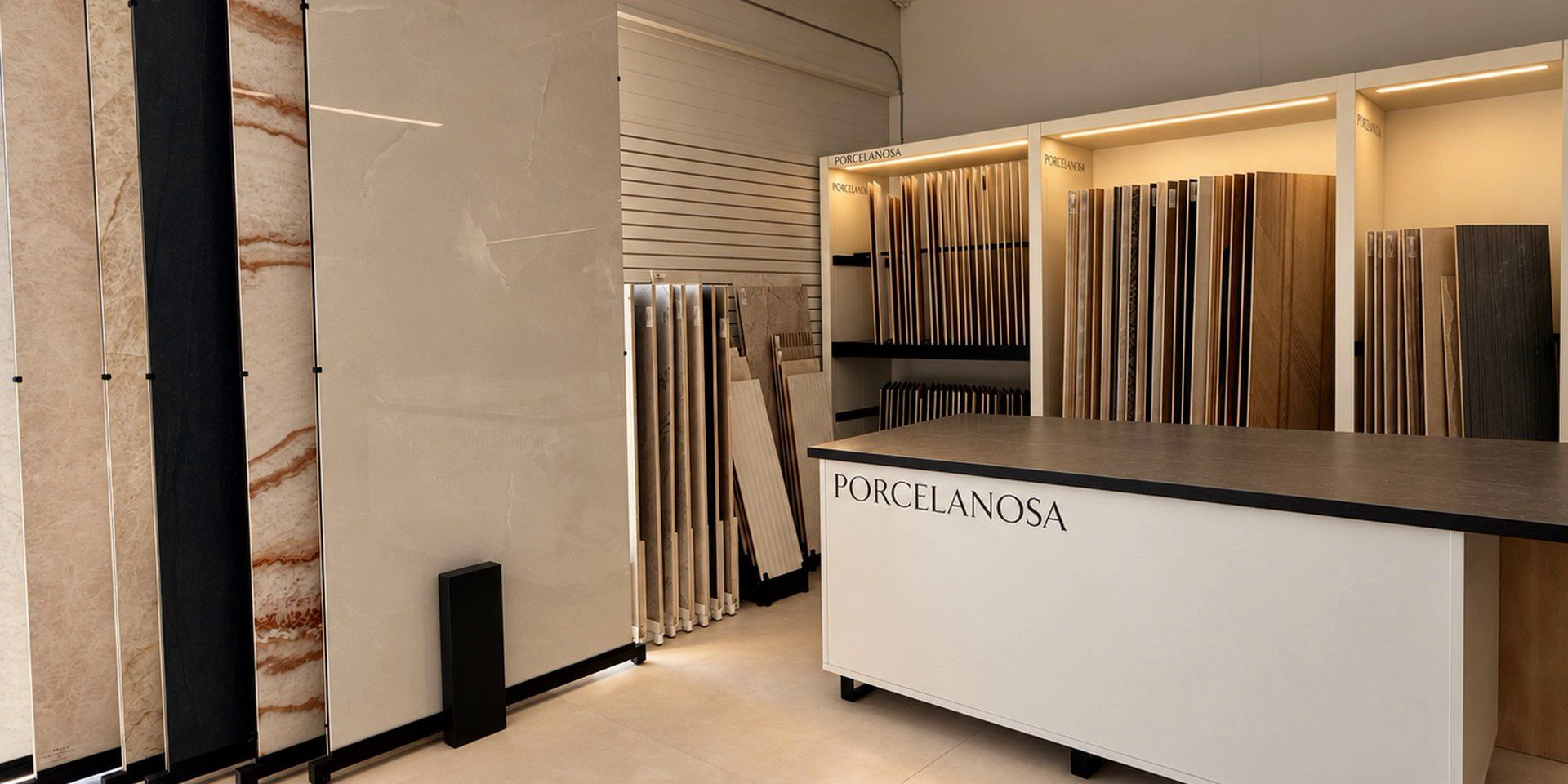
Bring your measurements and a few photos to the showroom, or have us come out for a free estimate in your home.